Street Fighter II is available on PC through official Capcom re-releases on Steam rather than as a standalone product — the free arcade version is bundled inside the free Capcom Arcade Stadium app, while the enhanced Hyper Street Fighter II edition is included in the paid Capcom Fighting Collection, priced around $19.99 USD (frequently discounted). There is no legitimate free full download outside these official Capcom channels — this guide covers exactly how to access each version legally and why this 1991 classic still matters.
What Is Street Fighter II?
Street Fighter II is a 1991 arcade fighting game developed and published by Capcom, and it’s widely credited as the title that transformed one-on-one fighting games from a niche arcade curiosity into one of the industry’s biggest genres. Building on the original, more experimental 1987 Street Fighter, the sequel introduced a roster of eight distinct playable characters, each with unique special moves, fighting styles, and national backgrounds, along with the six-button control scheme that became the genre’s standard for decades afterward.
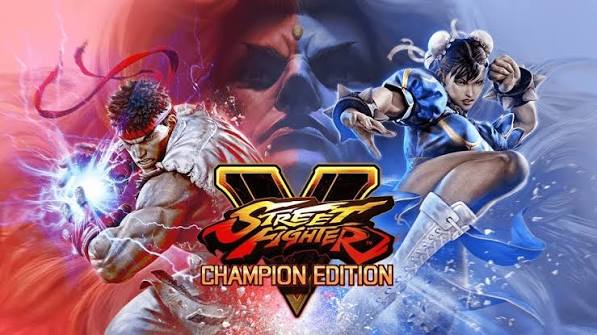
The game’s runaway arcade success led Capcom to release numerous updated versions throughout the early-to-mid 1990s — Champion Edition, Hyper Fighting, Super Street Fighter II, and Super Street Fighter II Turbo among them — each adding new characters, balance changes, and mechanical refinements, making “Street Fighter II” less a single release and more a family of closely related arcade revisions.
How to Get Street Fighter II on PC (Official Steps)
- Open Steam and search for “Capcom Arcade Stadium”, a free container app.
- Add the free game to your account, then look for the Street Fighter II: The World Warrior pack, which is offered at no cost.
- Alternatively, search for “Capcom Fighting Collection” for the enhanced Hyper Street Fighter II: The Anniversary Edition with online play.
- Confirm any listing is published by CAPCOM Co., Ltd. before purchasing.
- Download and install through Steam, then launch and select your preferred Street Fighter II version from the collection’s menu.
Why “Street Fighter II” Actually Means Several Games
Unlike most classic games, Street Fighter II isn’t a single fixed release — Capcom continually revised the arcade hardware over several years, and each revision effectively became its own version with different balance, roster size, and even gameplay mechanics like air blocking or the addition of a running/dashing system. Champion Edition let players choose the four boss characters for the first time, Hyper Fighting sped up the overall pace considerably, and Super Street Fighter II Turbo introduced the “Turbo” mechanic and the character Akuma as a secret boss.
This means when someone says they want to play “Street Fighter II,” the specific version matters a great deal to the experience — competitive players and tournament organizers still debate which revision offers the best-balanced roster, and Capcom’s official collections generally bundle several of these versions together specifically so players can choose.
Key Features
- Eight playable characters at launch, each with a unique fighting style and special moves.
- The six-button control layout that became the genre standard.
- Multiple official revisions (Champion Edition, Hyper Fighting, Super, Super Turbo) with different rosters and balance.
- Online ranked and casual matchmaking in the modern Capcom Fighting Collection release.
- Training mode and adjustable difficulty for newcomers in the collection re-releases.
- Display filters replicating the look of original arcade and CRT monitors.
Ways to Access It for Less (or Free)
- Capcom Arcade Stadium: The base app and the original Street Fighter II: The World Warrior pack are free on Steam.
- Steam seasonal sales: Capcom Fighting Collection, which includes Hyper Street Fighter II, regularly discounts during major sales.
- Bundle offers: Capcom occasionally bundles Fighting Collection 1 and 2 together at a reduced combined price.
System Requirements for Street Fighter II (via Capcom’s Collections)
| Component | Minimum | Recommended |
|---|---|---|
| OS | Windows 10 (64-bit) | Windows 10/11 (64-bit) |
| CPU | Dual-core, 2.0 GHz | Quad-core, 2.5 GHz or better |
| RAM | 4 GB | 8 GB |
| GPU | Any DirectX 11-capable GPU | Dedicated GPU with 2 GB VRAM |
| Storage | ~5-10 GB free space depending on collection | Same, SSD preferred |
Pros and Cons of Street Fighter II on PC
✅ Pros
- Historically essential fighting game, still fun and legible today
- Free arcade version available through Capcom Arcade Stadium
- Modern online play and training tools in the Fighting Collection release
- Multiple official revisions let players pick their preferred balance
❌ Cons
- Confusing for newcomers to figure out which specific version to play
- Free version lacks the online play found in the paid collection
- Cross-platform matchmaking is not supported between different versions
- Dated compared to modern fighting games in terms of move variety and systems depth
🖥️ PC (Windows)
Available through Capcom Arcade Stadium (free) and Capcom Fighting Collection (paid) on Steam.
🎮 Consoles
Also available on Nintendo Switch and PlayStation through their respective Capcom Fighting Collection listings.
Tips for New Players
- Start with Ryu or Ken to learn the fundamentals — their special moves are the genre’s most iconic and widely documented.
- Use Training Mode in the Fighting Collection release to practice special move inputs before facing other players.
- Learn to block low and high separately — Street Fighter II doesn’t have a universal block button.
- Try a few different revisions (Champion Edition, Hyper Fighting) to see which pace and roster you prefer.
- Use a fight stick or a controller with a solid d-pad if precise special-move inputs feel difficult on keyboard.
Who Should — and Shouldn’t — Play Street Fighter II
How Street Fighter II Built the Modern Fighting Genre
Before Street Fighter II, one-on-one fighting games existed but hadn’t found a formula that captured mainstream arcade audiences at scale. Capcom’s 1991 release changed that almost overnight, with lines forming at arcade cabinets worldwide and the game becoming one of the best-selling arcade titles in history. Its combination of distinct, memorable characters, readable special moves, and genuinely deep competitive strategy set the template that virtually every fighting game since — from Mortal Kombat to Tekken to modern Street Fighter entries — has built upon in some form.
The game’s commercial success also directly shaped the arcade business model of the era, with Capcom’s constant stream of updated revisions (Champion Edition, Hyper Fighting, and beyond) keeping players returning to arcades for years, a strategy other publishers would go on to imitate throughout the decade.
The World Warriors Roster in More Detail
Street Fighter II’s original eight playable characters — Ryu, Ken, Chun-Li, Guile, Blanka, Zangief, Dhalsim, and E. Honda — each represented a different country and fighting style, a deliberate design choice meant to give the roster international appeal and let players find a character whose personality and moveset resonated with them personally. Chun-Li in particular became a landmark character as one of the first prominent playable women in a fighting game, directly influencing character design in the genre for decades afterward.
Later revisions expanded the roster further, adding the four originally boss-only characters (M. Bison, Sagat, Vega, and Balrog) as playable options in Champion Edition, and eventually introducing entirely new characters like Cammy and Fei Long in Super Street Fighter II, broadening the cast considerably from the original eight.
Common Technical Issues and How to Fix Them
The most frequently reported issue with the Capcom Fighting Collection release involves input lag on certain third-party controllers, which is generally resolved by using an Xinput-compatible controller, as recommended directly in the collection’s system requirements. Players using very old fight sticks sometimes need to update firmware or drivers for full compatibility with the modern Steam release.
Online matchmaking occasionally reports longer wait times outside peak hours given the collection’s smaller, more dedicated player base compared to newer fighting games; the collection’s offline CPU and local multiplayer options remain a reliable fallback when online matches are slow to find.
How Street Fighter II Compares to Street Fighter III
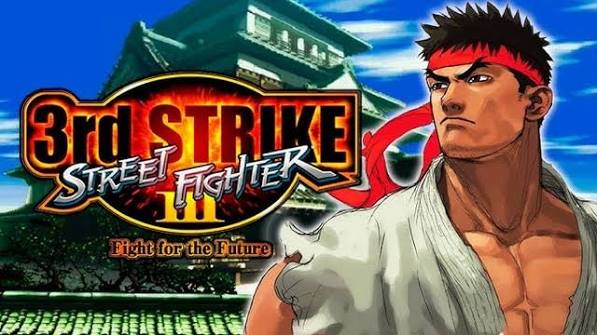
Street Fighter II’s design is comparatively simple by later series standards — no parry system, a smaller special-move list per character, and a slower overall pace than what Street Fighter III would introduce six years later. What it offers instead is historical significance and an easier learning curve, making it a genuinely good entry point for players who find Street Fighter III’s parry-focused, execution-heavy systems intimidating.
Long-time competitive players often recommend starting with Street Fighter II to build fundamental fighting-game literacy — spacing, footsies, and basic special-move execution — before moving on to the more mechanically demanding Street Fighter III games.
Frequently Asked Questions
Is Street Fighter II free to download?
The original arcade version is free through Capcom Arcade Stadium on Steam; the enhanced Hyper edition is part of the paid Capcom Fighting Collection.
Is it safe to download from ROM or emulator sites?
No, only use Capcom’s official Steam releases to avoid malware and unlicensed, unsafe files.
Which version of Street Fighter II should I play first?
Champion Edition or Hyper Street Fighter II are commonly recommended starting points, both included in the official collections.
Does the free version have online play?
No, online matchmaking is only available in the paid Capcom Fighting Collection release.
Do I need a fight stick to play well?
No, a standard Xinput controller or keyboard both work, though a fight stick can help with precise inputs.
Is local multiplayer supported?
Yes, both the free and paid Capcom releases support local, same-screen multiplayer.
This page is written for informational purposes to help you find the official, safe way to play Street Fighter II. It does not link to or endorse any unofficial “free download” sources or ROM sites.